Problem Faced:
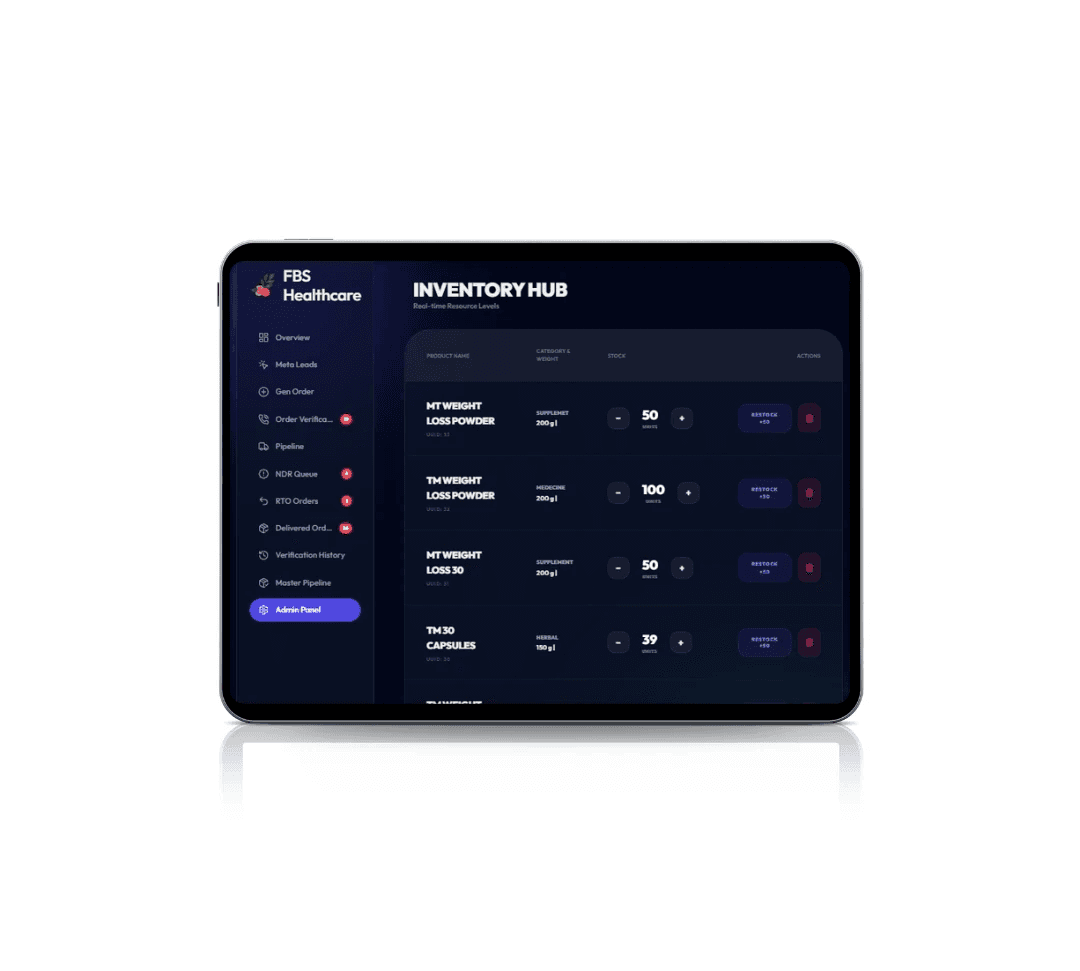
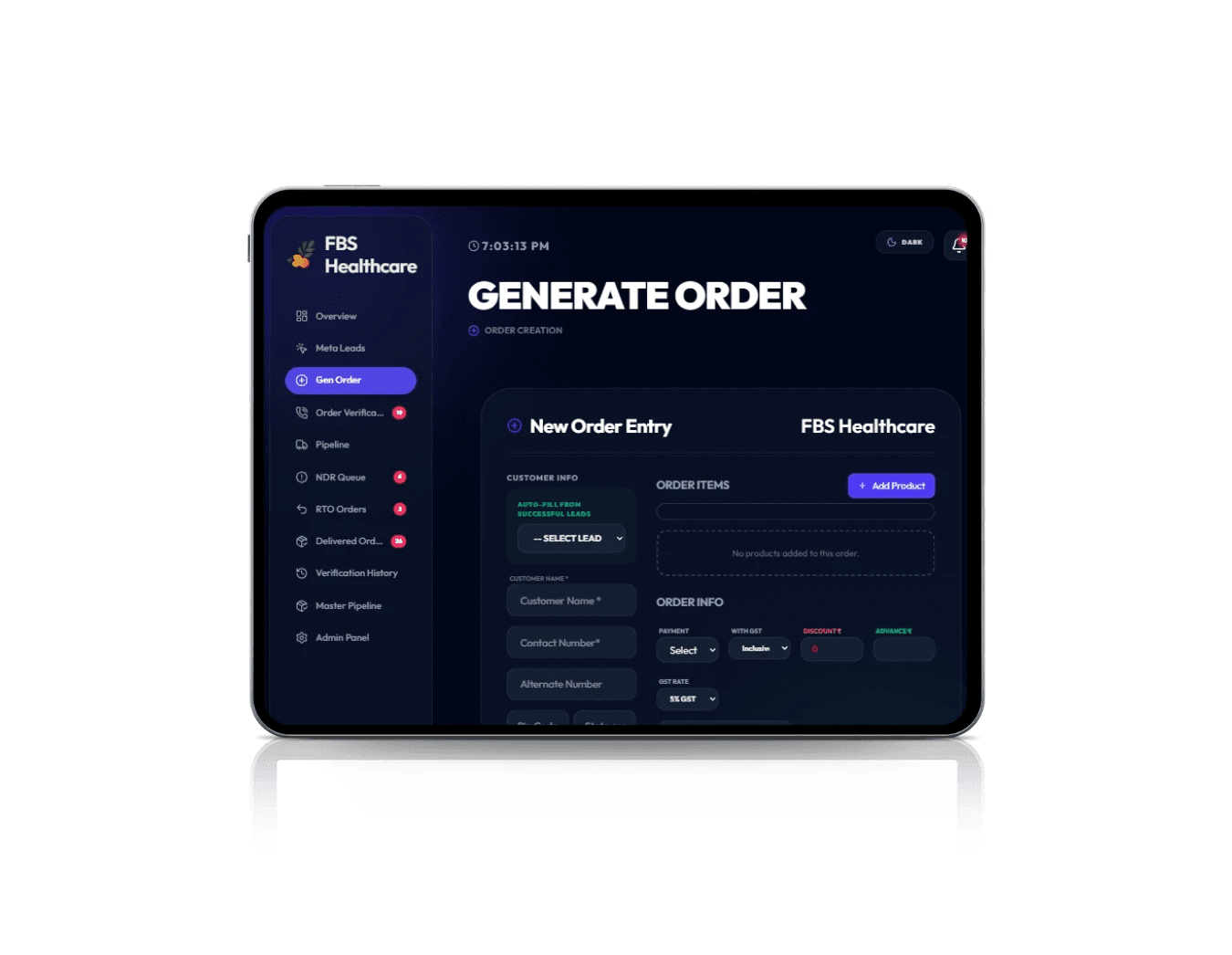
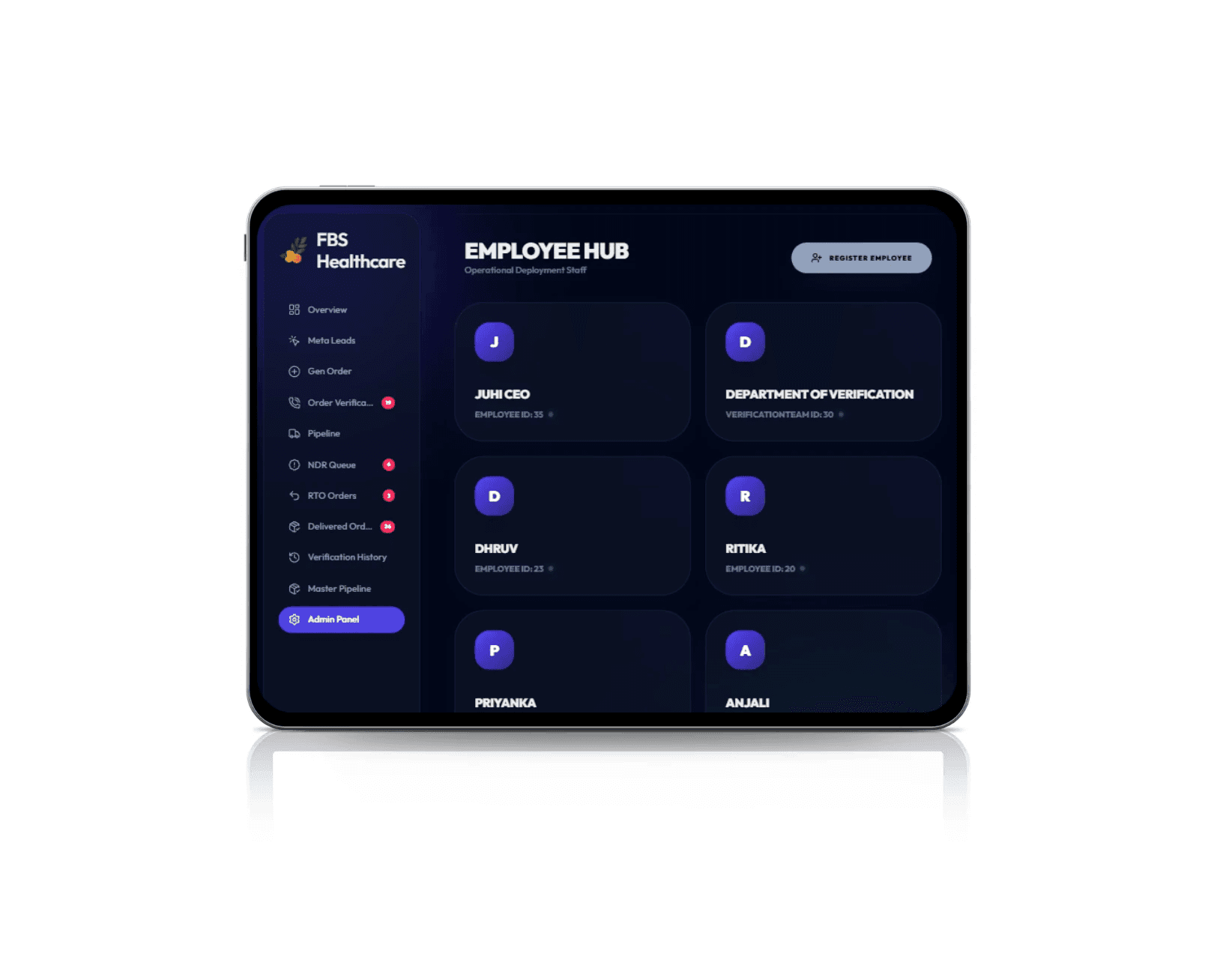
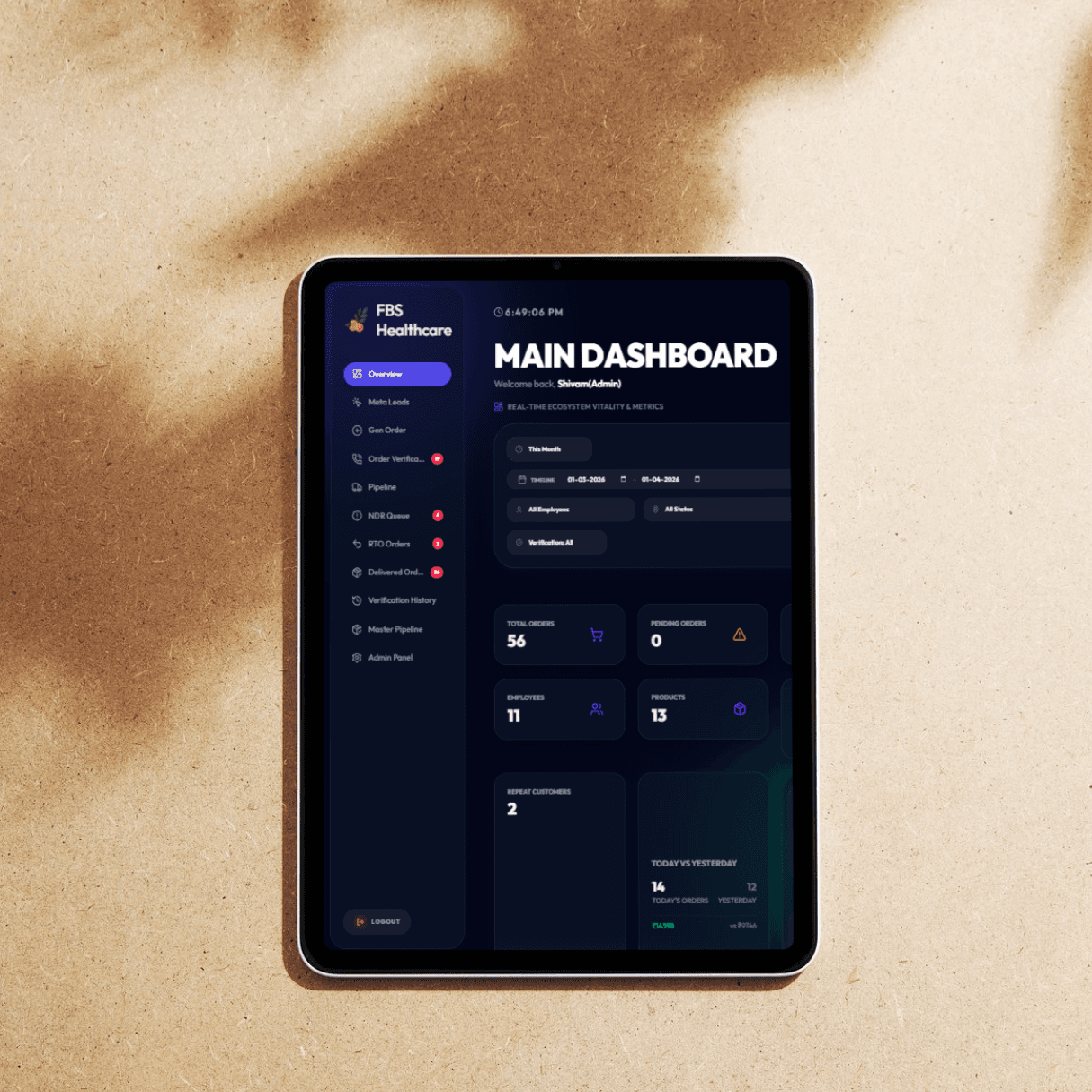
Understanding existing workflows – The client was managing operations through Google Sheets, so a major challenge was understanding their business processes and translating them into a structured software system. Migrating spreadsheet-based processes – Converting loosely organized spreadsheet data into a proper database structure required careful planning. Implementing role-based access control – Designing different access levels for admins, managers, and employees while maintaining security and usability. Handling complex operational logic – Ensuring the system could manage multiple operational tasks such as order tracking and employee management in a structured way. Designing an intuitive internal dashboard – Creating an interface that was simple enough for non-technical staff to use while still supporting multiple features.
Tight project budget – Needed to design and develop the system efficiently while keeping development scope within the client’s budget constraints.
Understanding spreadsheet-based workflows – The client was managing operations through Google Sheets, so translating those processes into structured software required careful analysis.
Role-based access control – Implementing proper user roles and permissions for admins and employees while maintaining system security.
Designing scalable architecture – Building the system in a way that could support future features without requiring major restructuring.
Ensuring usability for non-technical users – Creating a simple interface so staff could easily adapt from spreadsheets to a software platform.